This article will show you facts regarding home staging.
It only takes a few seconds to make an impression, and the same rules apply when selling your house. When it comes to convincing a potential buyer that your house is worth placing an offer on, the way you present it may make all the difference.
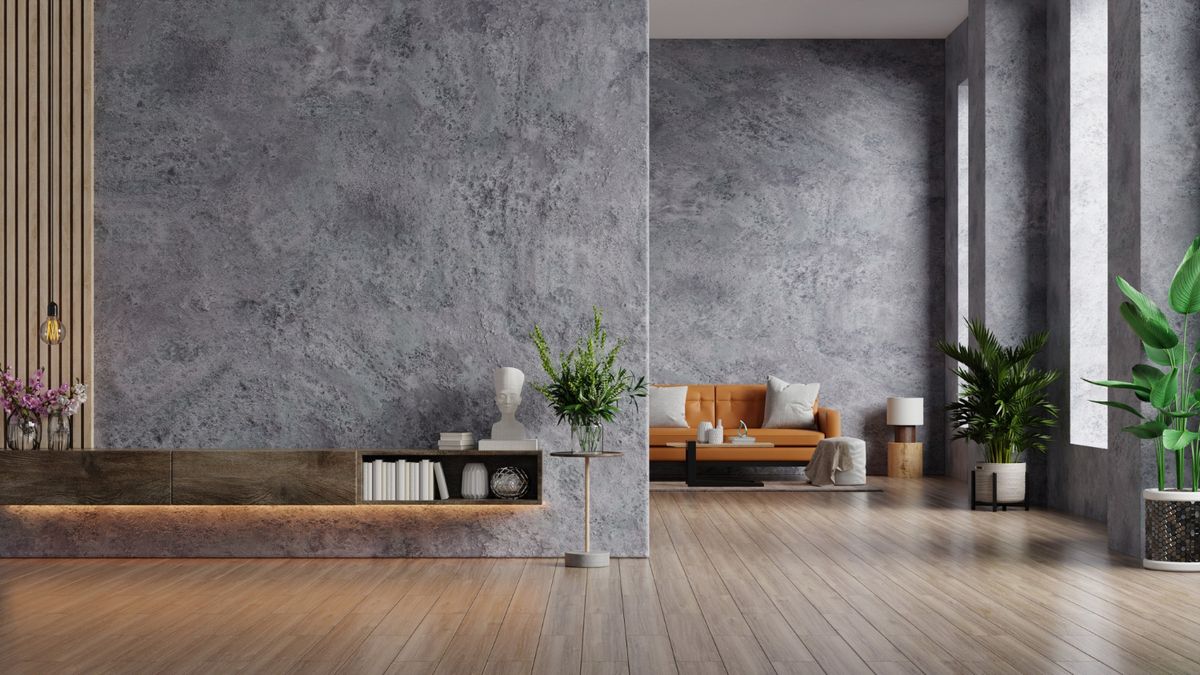
After all, the aim is to attract high-quality bids, raise the selling price, and optimize the ROI. So why not get it properly the first time with home staging?
What Is Home Staging?
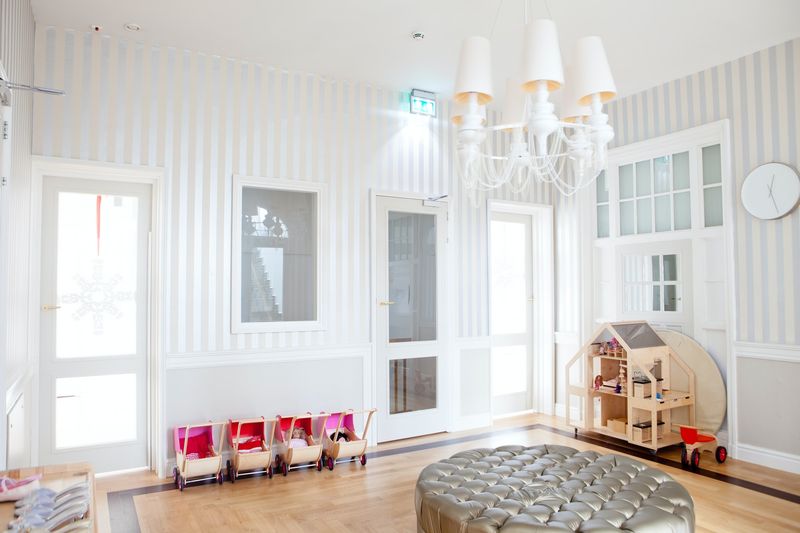
Home staging is beneficial in allowing a potential buyer to visualize the area in its entirety. A room that is unoccupied may appear to be smaller than it is. Your customer may picture how their belongings would fit into the same area after the room is equipped.
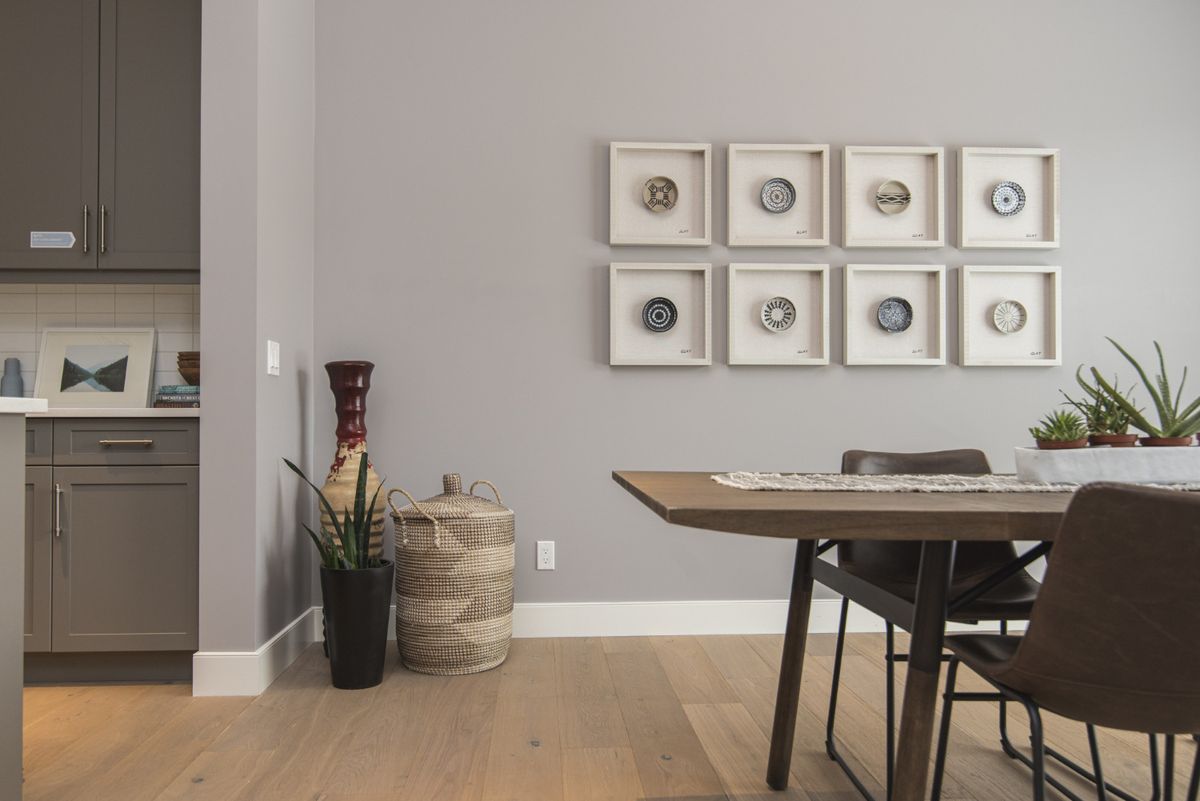
Staging also aids a buyer’s first search for a home. According to research, purchasers choose which houses to tour depending on their internet searches. A staged room might convince a buyer to add the house to their list by creating a vibe. The bar for eliciting the same emotional response from a consumer in an empty room is greater.
Why Do We Stage?
Home staging has swiftly risen to the top of the industry’s most successful real estate marketing strategies. Home staging is a valuable service that helps you to create the ideal atmosphere for your home to shine. We also come across a lot of homeowners who either underestimate or are completely unaware of the value of expert home staging services.

Staging is sometimes confused with decorating, but unlike decorating, which is a matter of personal taste, staging your property is akin to dressing it up to be the belle of the ball. Staging a house not only helps to highlight the most important characteristics of your property, but it also guarantees that all of the images and videos that your real estate agent uses in marketing materials are professional and entertaining.
In the end, staging a property for sale makes it more desirable in order to attract the most possible purchasers.
Why Is Professionalism Necessary?
Some staging may be done by homeowners themselves, but there are also professional home stagers with a keen eye for design who can help you attract the best offers possible by following recognized best practices and trends.
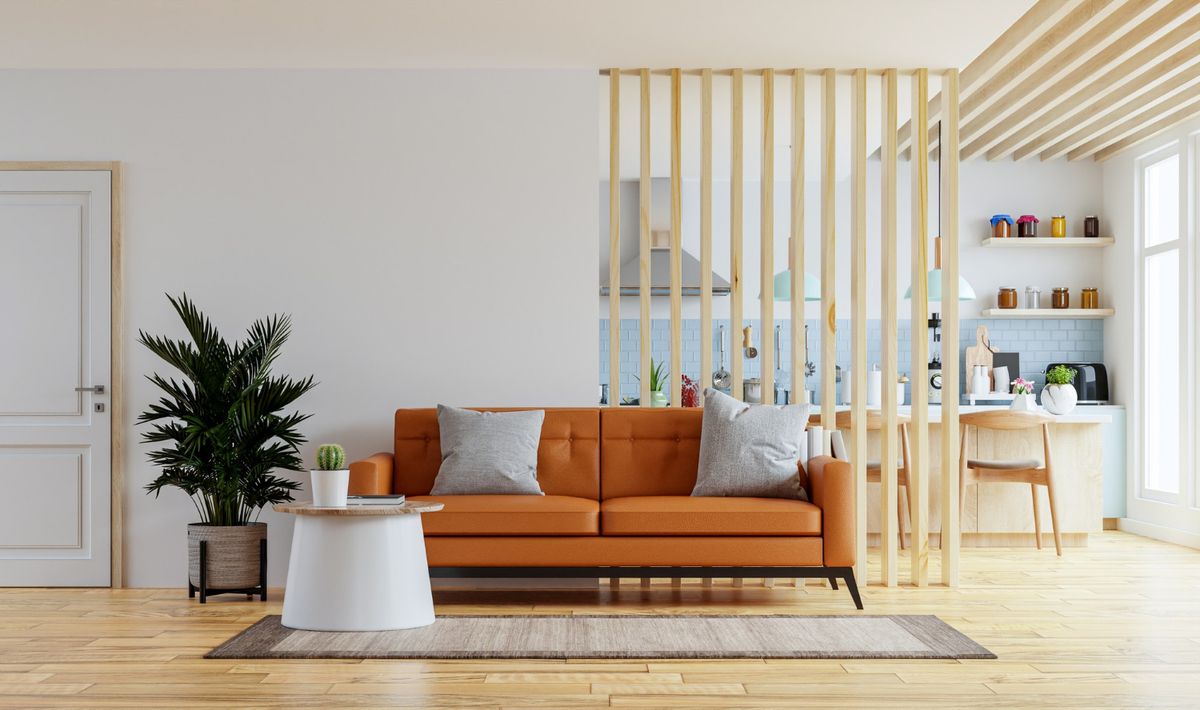
Professional home stagers with design experience employ design aspects, furniture arrangement, and layout in order to sell your property faster. You don’t have to spend a lot of money as a seller to have great staging, but it’s an important step to take when selling your house.
Why Staging Is Worth The Investment?
According to the National Association of Realtors Research Group, staging your property can improve the buying price by up to 5% and reduce the amount of time it spends on the market. Not only have that, but 84 percent of buyer’s agents believed home staging helps their customers imagine a property as “their” home.

Plus, since more homeowners want a virtual staging service and potential house buyers view possible properties online through images, video tours, and 3D models of a property, home staging has become more crucial than ever in the industry. Simply said, your house must be prepared for both in-person and virtual tours, and home staging is one of the most straightforward methods to do so.
What can you learn from the study if you’re thinking about purchasing a house or getting ready to sell your present one? The following are the most important facts regarding home staging.
5 Important Facts Regarding Home Staging
1. Many Buyers Want Assistance Visualizing a House’s Potential
Staging may be one of the most cost-effective things you’ve ever done in terms of both time and money. Potential buyers are searching for more than just a place to live; they’re looking for a chance to realize their aspirations and better their lifestyle. Staging may make a buyer’s purchase more passionate, which can lead to a higher sale price.
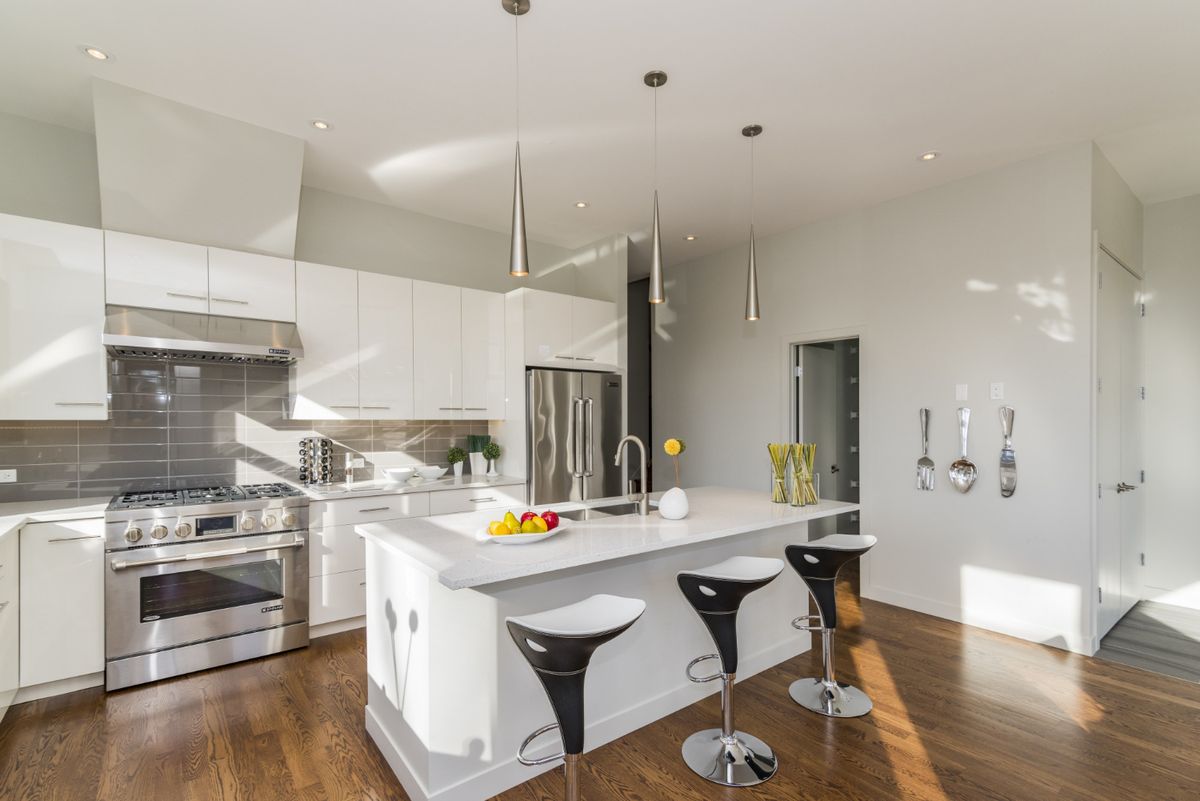
When a property is vacant, buyers may find it difficult to visualize putting furniture in a room and making the most of the space. They may get a better idea of room size and alternative furniture combinations with only a few items.
The Focus of Staging Is on The Potential, Not The Present
Even if the sellers want to live in their house while it is on the market, staging may assist them in making better pre-listing selections about what furniture should be stored “along with several other decluttering activities” and which pieces can remain. Agents frequently note the favorable influence of staging while dealing with buyer customers. Staging a house, according to 83 percent of buyer’s agents, makes it simpler for a buyer to see the property as a future home.
Meanwhile, 38% of buyer’s brokers said staging encouraged buyers to schedule a viewing for a house they saw advertised online. The goal of home staging is to sell a property faster and for a higher price. Given that getting buyers in the door is half the battle of selling a property, it’s no surprise that staging would be beneficial. Because, while you can’t forecast what everyone’s taste will be, you can stage a property to appeal to a wider range of people and make it more appealing to potential buyers.
2. Buyers Know What They Want
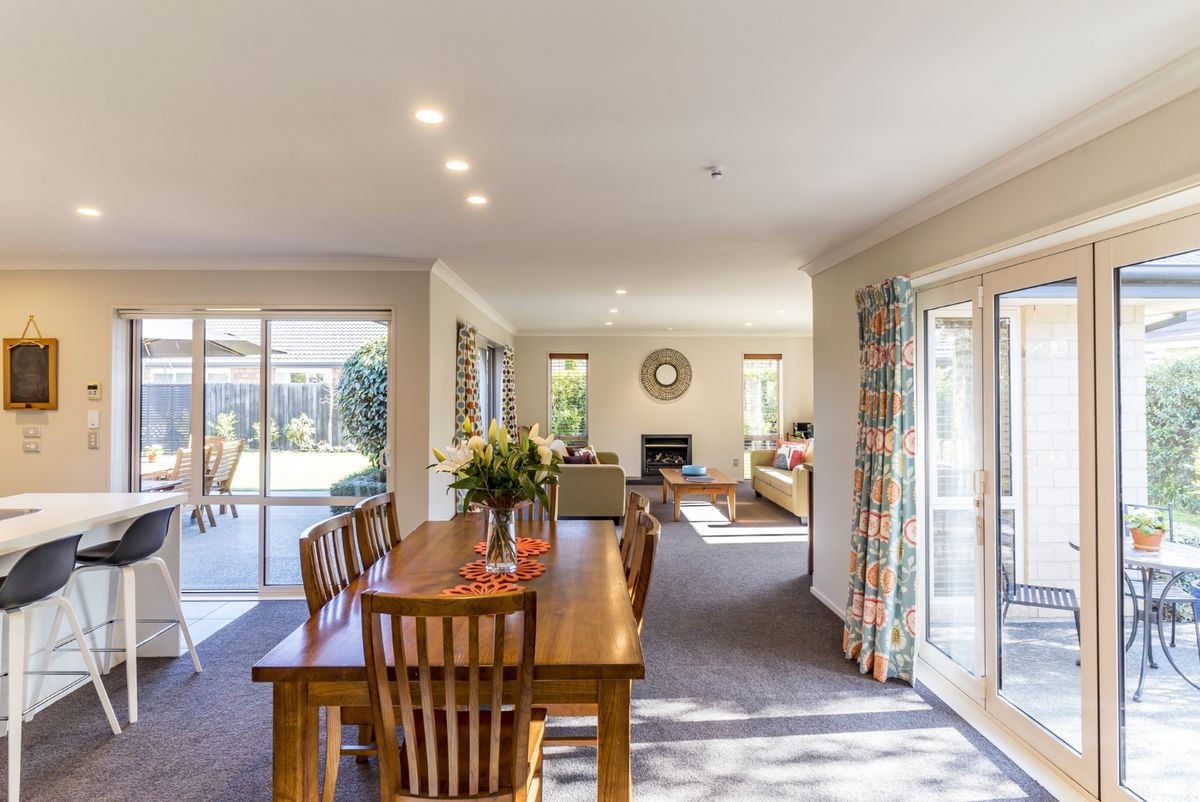
Buyers know what they want in an ideal house before they start looking, according to 74% of real estate agents who responded to NAR’s home staging study. When a property is staged, it is simpler for buyers to realize when it fits their expectations, however, when a home is not staged, a buyer may be unable to see the space and what it may become in connection to their vision.
Property staging influenced most purchasers’ perceptions of a home, according to 40% of respondents, compared to just 6% who indicated it had no effect.
3. It’s More Crucial to Staging Some Rooms Than Others
According to the NAR survey, not all rooms in a house are created equal when it comes to the value of staging. While viewing a staged living room is crucial to 47 percent of buyers’ agents, just 19 percent of buyers’ agents say the same for bathrooms and only 8% for guest bedrooms.
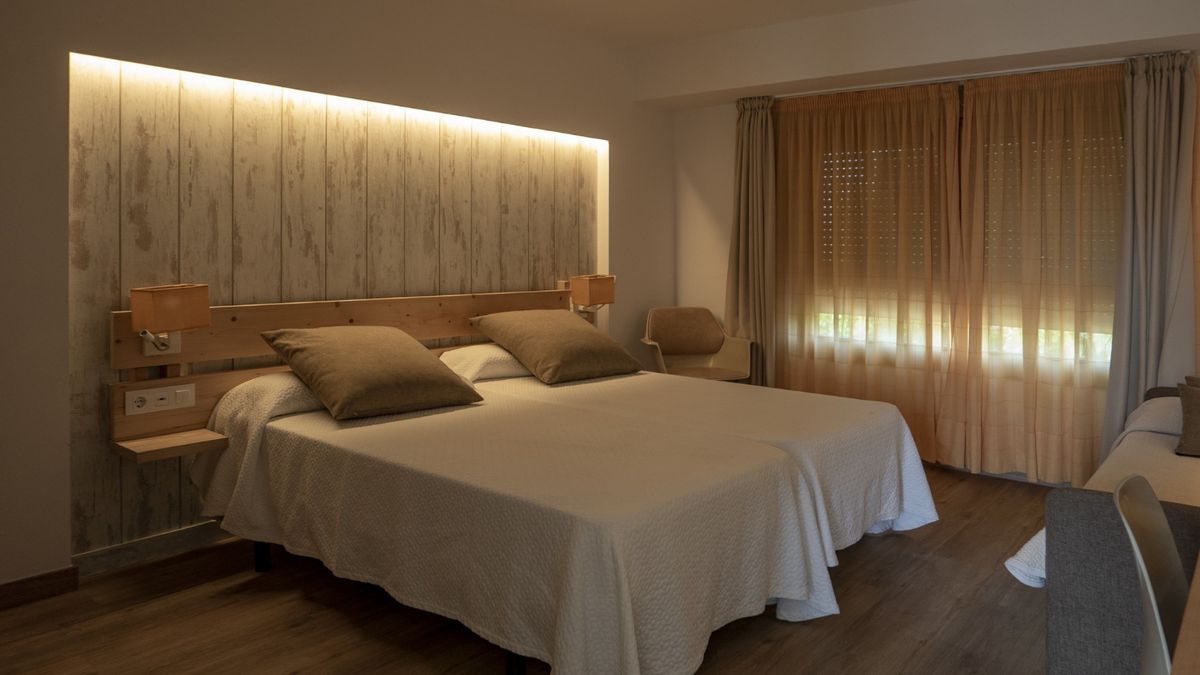
Almost a third of listing agents claimed they staged all of their sellers’ houses before putting them on the market. However, this does not imply that the entire home was staged. Some rooms have a higher priority than others. The following are the top five staging priorities, according to listing agents:
- Living rooms – 90%
- Kitchens – 80%
- Primary bedrooms – 78%
- Dining rooms – 69%
- Bathroom – 56%
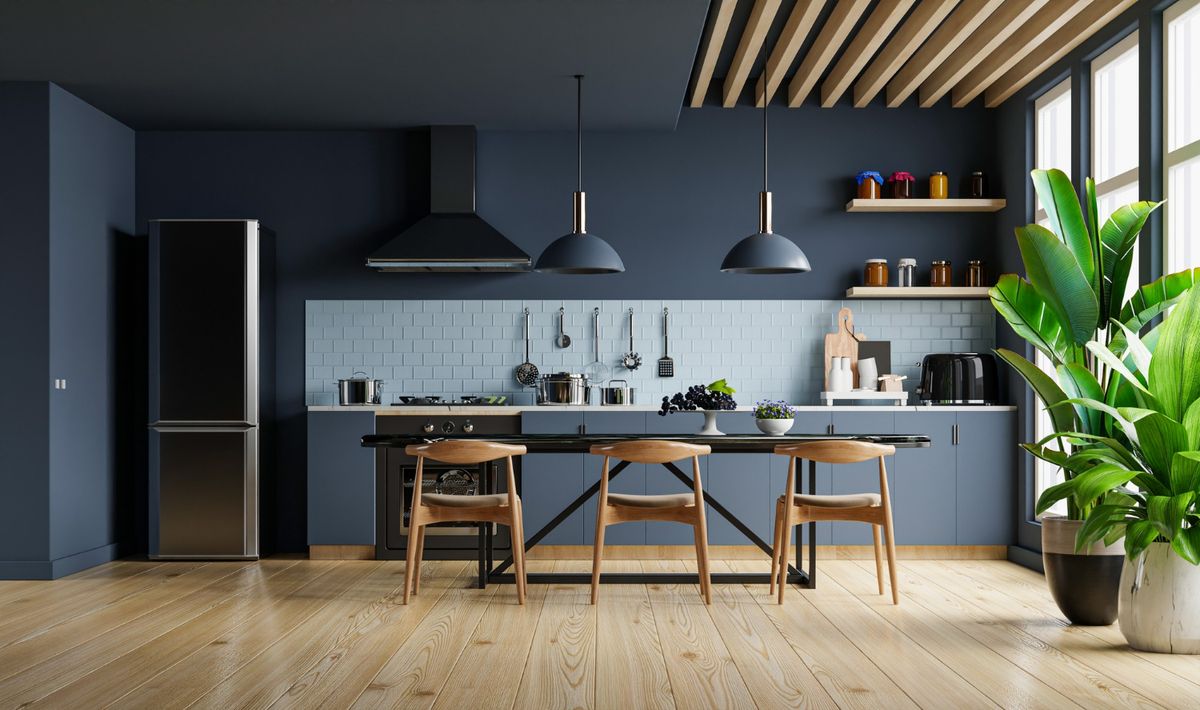
Staging Prioritizes Keyspaces
Because living rooms, kitchens, and primary bedrooms are where homeowners spend the majority of their time, it’s only natural that they should be given top importance. This is wonderful news for sellers who may not have the financial means to invest in a full staging.
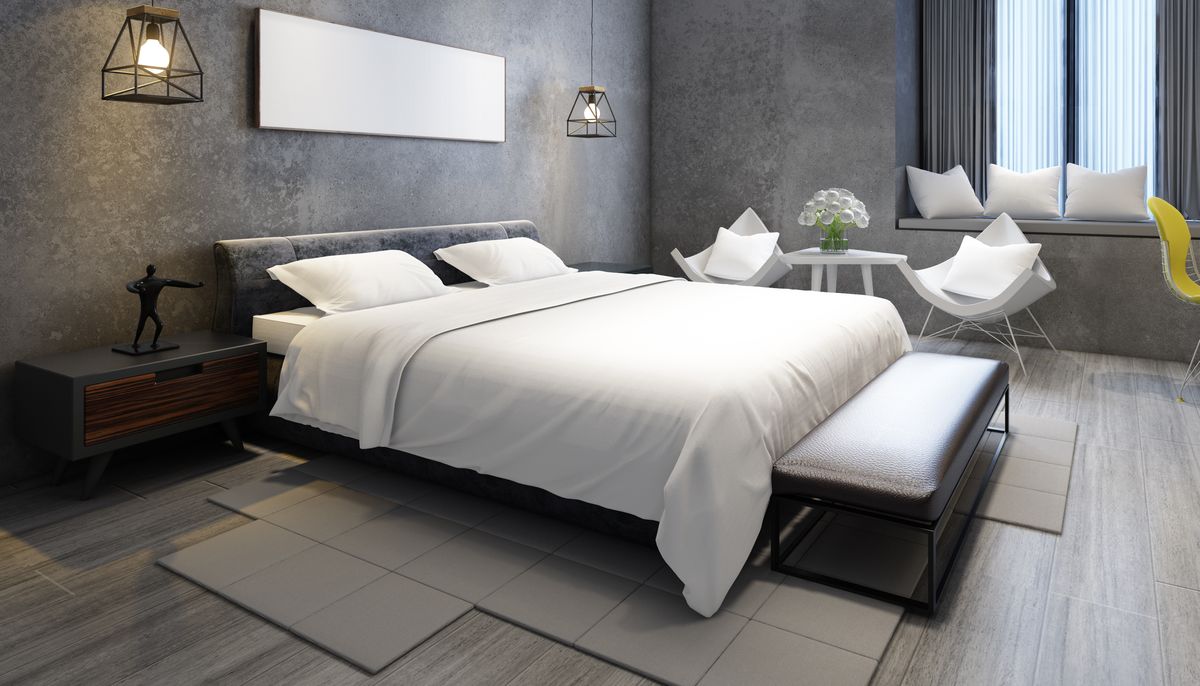
Knowing what rooms are significant (master bedrooms, kitchens, and dining rooms are the next three after living rooms) helps sellers to focus certain areas when staging to make the most effective for the least amount of work, all while avoiding rooms that don’t appear to make a difference.
4. The Value of a Property Can Be Increased Through Staging
If you’re still not persuaded that staging a property is important, this may be the final straw. When compared to properties that weren’t staged, one-quarter of buyer’s agents told the NAR that staging boosted the offering price by 1% to 5%. 22 percent of sellers’ agents agree, and 17 percent think it boosted the offer price by 6% to 10%. Notably, just 1% of sellers’ agents and 0% of buyers’ agencies indicated staging had a negative influence on the asking price.
With nothing to lose and everything to gain, it’s easy to see why staging is worthwhile. This is likely to be much truer in homes with unusual or specialized décor.
5. Staging Can Reduce The Amount of Time a Home Is On The Market
No seller wants to be stuck with a stale listing. The longer a property stands on the market, the more difficult it is to sell, so there’s a lot of pressure to sell it as soon as possible. Sellers’ agents indicate a minor drop in days on the market for staged properties, while 25% report a significant decrease. Only 12% of sellers’ agents said staging a property had no influence on the number of days it was on the market.
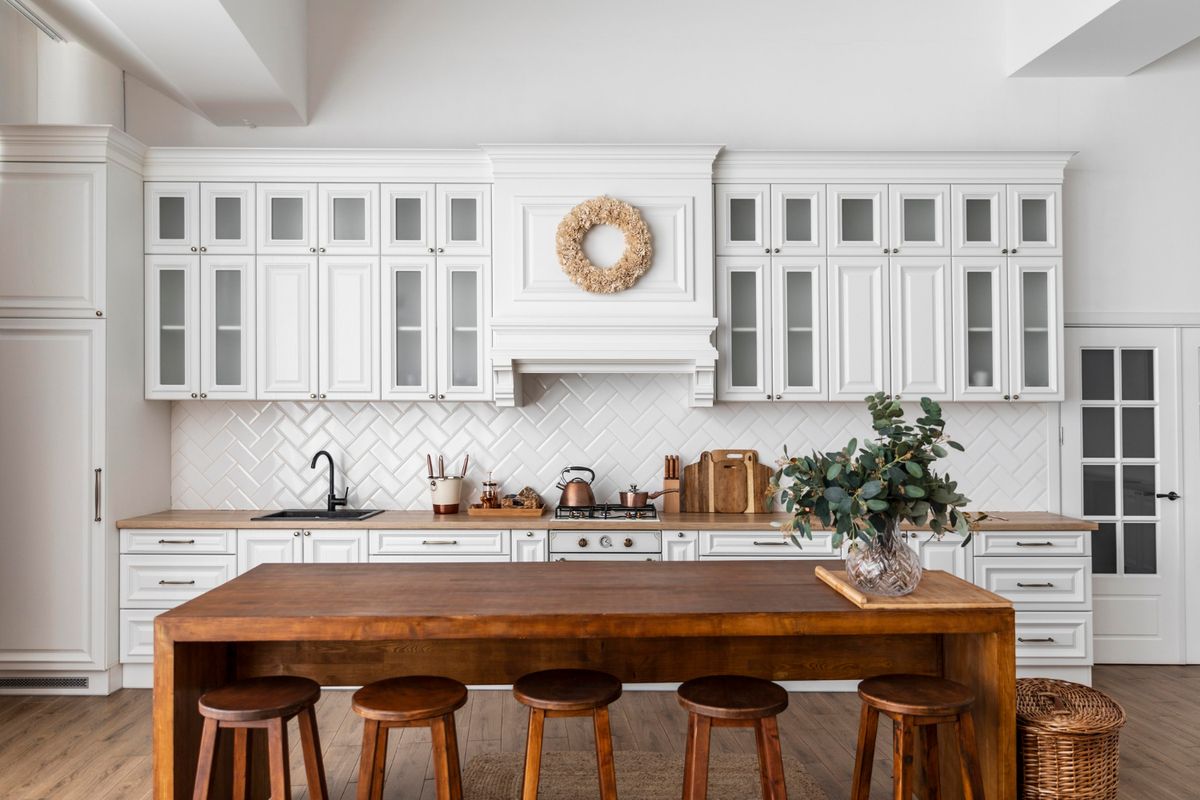
Why do staged homes sell faster? It all boils down to the principles mentioned above: staging allows buyers to assess whether or not they can imagine themselves in a home and what the space’s potential is. It’s also a lot more efficient than asking them to perform all of the tough mental lifts on their own.
The Bottom Line
Even if you have a lot of money, don’t overspend on the staging procedure. You’ll want to highlight the property’s greatest characteristics but bear in mind that what sells a home and what makes it functional for a buyer aren’t often the same thing.
Overall, your home staging efforts should be aimed to appeal to the broadest potential group of purchasers in order to get the most bang for your budget. The bigger the number of persons eager to make purchase bids on your home, the higher the selling price.