Home stagers usually called home staging specialists, get houses, businesses, and other assets ready for the market. They meet with clients, evaluate the property, and then offer suggestions or put modifications into place.
A home stager is essentially decorating the space to appeal to that buyer in order to help your home sell faster and for more money. They know the type of buyer who will be interested in your house.
Instead of seeing an empty house, most prospective buyers prefer to picture themselves living there. Additionally, buyers frequently want to view possible homes in a neutral setting, free of personal belongings or décor that doesn’t match their particular preferences.

In other words, they set up a look or staging that will pique the curiosity of potential purchasers. Their staging suggestions include enhancing the grounds, painting the outside and interior, rearranging the furnishings, and adding accessories. Realtors, business property owners, and individual homeowners are all clients of home staging experts.
That setting is produced by home staging!
The following steps in the home staging process are based on your unique cases. For example, rearranging some furnishings to make your home appear larger and more spacious might serve as staging. Alternative options include repainting the walls, clearing personal belongings, and redecorating all the rooms.
Some Skills You Should Possess As A Home Stager
1. Neatness
You will spend a lot of time cleaning as a home stager. A staged home must look immaculate. Home stagers perform tasks such as decluttering, removing streaks from windows, removing cobwebs from high corners, hiding stains on upholstery, and covering scuff marks on the floor. Before prospective buyers can view your home, everything needs to be cleaned.
2. Interior Decoration
A professional home stager will know how to furnish a place nicely; thus, they should approach a room with an interior designer’s eye. They can select furnishings, coordinate colors, and arrange rooms to appeal to the largest possible audience.
3. Passion for Real Estate
Since home staging is a real estate-related job, those who work in this industry should naturally love real estate. It is beneficial to do market research, especially when you are still at it. Make contact with property brokers. View various home designs and neighborhoods by perusing real estate listing services. Visit open homes to observe how other home stagers conduct their business.
4. Organizational abilities
Home stagers need to be exceptionally well organized in terms of their work schedules and in terms of managing space. You will be your own small business as a stager; thus, maintaining order in your affairs demands attention to detail. Home staging may be excellent if you enjoy finding harmony and order in your work.

What is a Home Stager, and What Do They Do?
Staging is a must if you want to sell your home quickly and at a high price. Staging can result in even more showings, offers, and possibilities, especially in a seller’s market when homes sell in a matter of days.
In addition, if you stage your house, you might get multiple solid offers and a bidding war that works in your favor rather than just one decent offer you have to accept.
A quick sale can be possible through cost-effective staging. In addition, professional house stagers are available if you don’t consider yourself a design-minded person. So how can a house stager assist you, exactly?

1. Home Preparation
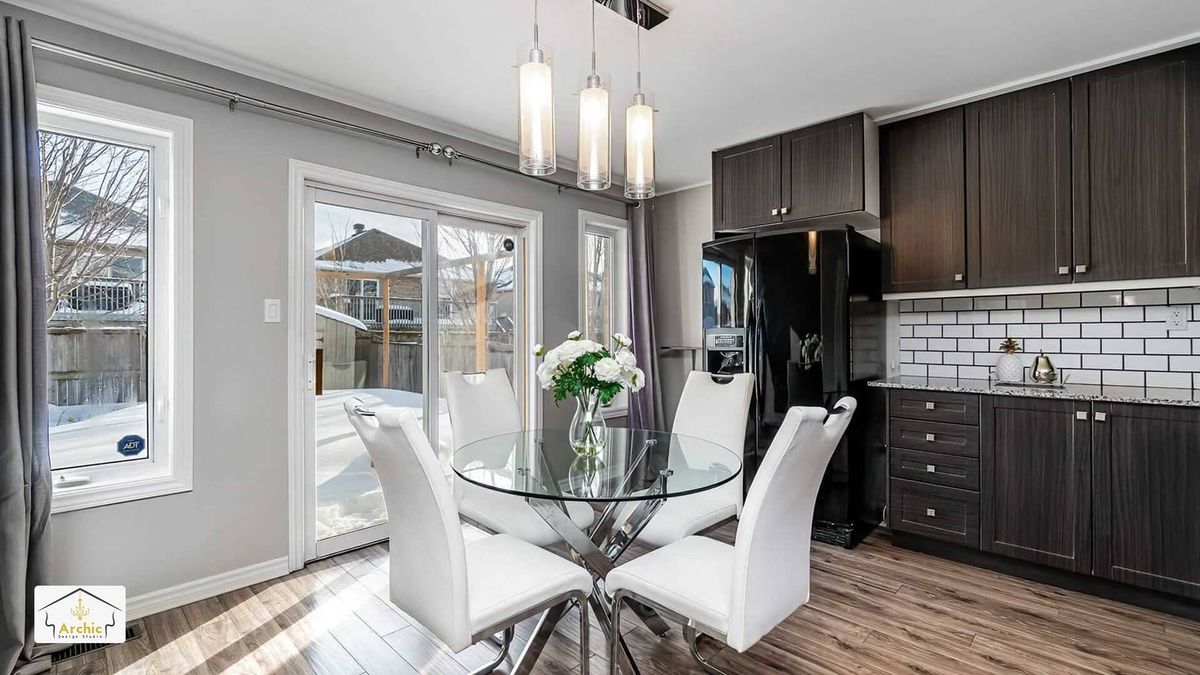
A home stager is in charge of getting a house ready to sell. Staging a home increases its appeal while letting potential buyers picture their personal touches added to the space. Home stagers will bring furniture, artwork, and accessories to ensure the décor is fashionable and aspirational.
2. Recognize your financial and legal obligations before starting to stage homes.
It’s crucial to legally and correctly set up your firm. A strong contract that safeguards you and liability insurance in case of mishaps are essential in addition to your formal business entity.
In addition, human resource law can be challenging to understand if you decide to hire workers or independent contractors.
During the off-season, there is still a lot to do because you want to ensure that you are ready for the busy seasons in a few months. During this time, you should consider some marketing, blogging, making social media efforts, and at the same time organizing the warehouse and working on refreshing the inventory.
Also, entrepreneurs may say you will work long hours when you own your business. But you have NO idea how many hours until you start one yourself. The pressure of breaking even monthly or meeting payroll (if you have employees) may be tremendous.
3. Get Comfortable With Sales and Marketing.
We’ve discovered, among other things, that real estate is a people business, no matter how sophisticated the technology may be. So to attract and keep customers, you must still make facetime.
It would help if you still had a significant online presence. A website that is easy to use and displays your work is crucial. In addition, you may establish credibility and land many opportunities by promoting your work on social media and your blog. Websites and referrals bring in the majority of my clients.
They don’t cover this in training, but owning a home staging business can be expensive!
It costs money to purchase inventory and even more when you need workers to carry, store, and manage it. Moreover, since most rental firms only rent furnishings, you still need to acquire home accessories and soft goods even if you utilize rental furniture.
Since you’ll be investing a lot of money in inventory upfront before getting reimbursed, you’ll also need good credit.
Since turning down projects when you are low on inventory flow, especially with your regular clients, you will need to understand how to manage your cash flow successfully.
4. Create a Binding Contract
There will always be customers who try to stray from the initial agreement and make you feel uncomfortable. Therefore, you need a solid staging contract to safeguard yourself and your company’s interests. You will repeatedly be saved by having a very well-written home staging contract.
How to Become a Home Stager?
1. Gain More Knowledge
Most states don’t mandate that you earn a certification in house staging. Nevertheless, enrolling in an online course can give you a competitive advantage in your industry. Examine classes and programs nearby to determine if they would benefit your profession.
2. Hands-on Experience
Gaining experience in the house staging sector is the best way to learn about the subject. When you initially start, it’s doubtful you’ll have any professional clientele. See if you can offer staging assistance to family members and friends selling their houses. Build your professional portfolio by gathering images of the work you produce. To obtain experience, you might join a home staging business as a home staging assistant.
3. Incorporate Your Company
You’ll want to position yourself as a business owner once you’ve gained experience. This includes establishing the company, trademarking the name of your company (as well as your logo, if you have one), ordering business cards, purchasing liability insurance, and creating your website. Make your website look professional with a summary of your complete staging services and images of your staged houses because this is how potential customers will find your firm.
4. Build Your Clientele By Networking
It would be best if you worked on expanding your homeowner clientele now that your business is operational. Contacting real estate agents is a fantastic start as they frequently require home stagers to work on their clients’ properties. Additionally, this is how you’ll get recommendations for additional fieldwork. Finally, consider becoming a member of a neighborhood real estate staging association for the long-term expansion of your company. This will enable you to maintain contact with other experts in home staging.
Myths About Home Stagers
1. House staging and home decoration are the same things
House staging and home decoration are sometimes confused. It’s crucial to understand that a professional stager has a different perspective than a decorator. A house for sale must draw purchasers. And to do this, it must be free of distinctive, individual furnishings. While staging appeals to potential home buyers, decorating appeals to the homeowner. A person’s taste and style are taken into consideration when decorating. The goal of staging is to attract as many potential purchasers as possible.

2. Home staging is just for vacant homes
Showcasing a possible lifestyle is one of the primary objectives of professionally staging a home. Home stagers turn an inhabited or unoccupied house into a desirable real estate listing that potential buyers can picture themselves residing in the house. Buyers have incredibly high expectations, and a competent presentation requires a professional. Everything revolves around making the ideal first impression. Within six feet of entering a potential property, most purchasers begin making decisions about it. Therefore, they must approve of what they see right away.
3. Anyone can stage a home
This is not always true!!!
In addition to showcasing a home’s best qualities, a professional stager also knows how to use them as a diversion to draw attention away from a home’s problems. A house’s roominess, usefulness, and features are highlighted in this manner. A skilled home stager is also taught to comprehend the psychology of a prospective buyer. For instance, buyers reported that it was 81 percent simpler to picture home after viewing one that had been expertly set. This knowledge can be applied to help sell a home by a skilled, experienced professional home stager.

4. A home stager gets rid of my stuff and replaces them with new stuff
A skilled home stager will try to work with your goods wherever possible to get the desired outcomes, but they won’t propose adding or removing anything unless they think it will positively affect the home’s sale. Rearranging what you currently have may frequently do wonders for a home’s flow and general appeal to potential buyers! We understand that occasionally purchasing a substantial staging package is simply out of the budget.
Conclusion
The role of a home stager is to benefit both the buyer and the seller of the property. Also, every home stager aims to save you some pain and make the property the best for sale.